What is Domestic & Potable Water Treatment?
Domestic water refers to the water used in everyday household tasks, such as bathing, laundry, and flushing toilets.
Potable water is water that has been stored and treated to make it safe for human consumption. While drinking is its primary purpose, potable water is also used for cooking, washing dishes, and other daily activities that require clean, safe water.
Domestic and potable water treatment ensures that the water delivered to homes is safe, clean, and reliable. Water treatment removes larger particles, reduces odours, and eliminates potentially harmful substances that could impact health, cause skin irritations, or damage household appliances.
Our Domestic & Potable Water Treatment Service
We provide a comprehensive range of domestic water treatment services, which are designed to ensure your systems remain safe, compliant and efficient. Our expertise covers everything from disinfection and cleaning through risk assessments and ongoing maintenance.
Our domestic and potable water treatment services include:
- Disinfection and Chlorination – Mains injection chlorination, thermal disinfection/pasteurisation, and UV systems supply and maintenance.
- System Cleaning and Flushing – Cold water storage tank cleaning, refurbishment, and disinfection. Hot and cold-water system flushing; calorifier and water heater cleaning.
- Legionella Control and Water Testing – Legionella sampling, domestic water risk assessments and consultancy.
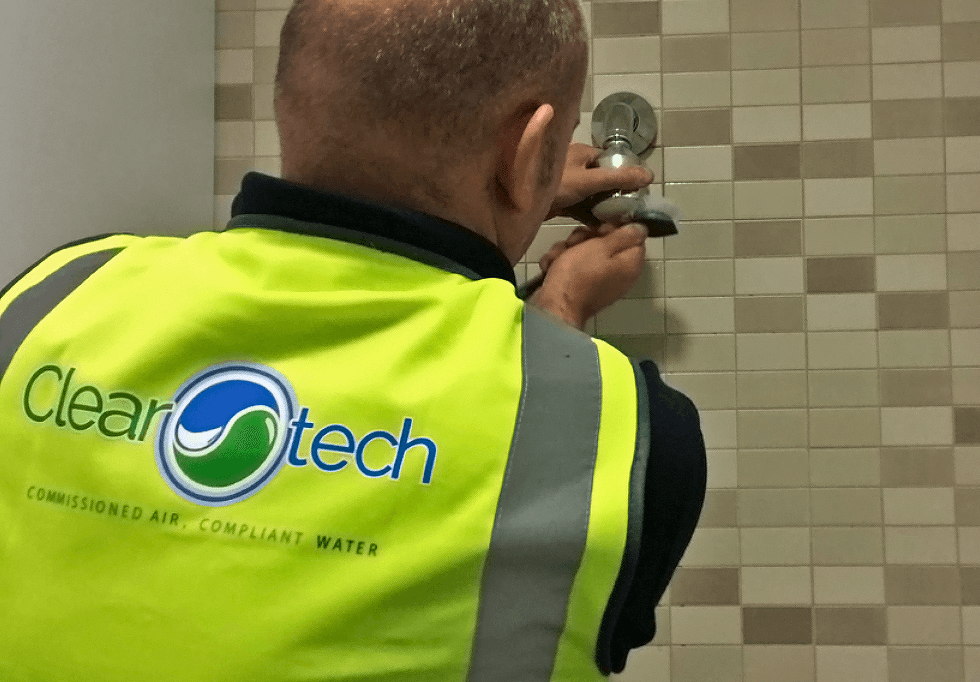
- Fixture and Component Maintenance – Showerhead cleaning and disinfection, thermostatic mixing valve (TMV) servicing and fail-safe testing, water cooler cleaning and maintenance, and point-of-use filter installation and replacement.
- System Improvement – Dead-leg removal and pipework modifications, WRAS backflow prevention, water softening, and scale control. Additionally, the design, installation, and servicing of on-site water treatment plants.


Why is Domestic Water Treatment Important?
The importance of water treatment is essential for public health and environmental protection. By removing harmful contaminants, treatment helps prevent water contamination, ensuring safe drinking at home and preventing waterborne bacteria such as Legionella.
Our services align with HSG 274 Part 2, BS 8558, and Water Supply (Water Fittings) Regulations, ensuring your domestic water system remains safe, efficient and compliant. Our engineers focus on bacterial control, system cleanliness, temperature management, and material compatibility.
Why Choose Us for Your Water Treatment Needs?
With years of expertise in domestic water treatment service and potable water treatment services, Cleartech delivers solutions that keep your home’s water supply safe, clean and compliant. Our knowledge covers everything from water softening, water filtration and purification to UV disinfection, Legionella controls and water testing and monitoring.
By working in line with the UK regulations and industry standards, we deliver bespoke water treatment solutions for homes that focus on safety, compliance and long-term performance.
Whether you are a landlord, homeowner or housing association, our team can provide you with a one-off service or ongoing support where we ensure your water remains protected and systems run efficiently.
If you are ready to improve your water quality and safety, contact us today to arrange a survey or quote for your next project.

CASE STUDIES

FAQs
Domestic water treatment is essential for protecting persons from harmful contaminants that can grow within water systems. Treatment improves taste, clarity, and overall water quality while preventing issues such as limescale buildup and bacterial growth. It also ensures clear compliance with health and safety standards for everyday water use.
Cleartech engineers carry out disinfection and chlorination, system cleaning, flushing, legionella control, water testing and ongoing maintenance to ensure compliance with industry standards.
Domestic and potable water systems should be tested annually; however, some buildings with storage tanks or vulnerable occupants may require more frequent testing.

