Are You Aware of Your Legal Obligations to Control Legionella Bacteria in Your Premises?
Health and social care providers must carry out a full risk assessment of their hot and cold water systems and ensure adequate measures are in place to control the risks of legionella (source: HSE). It is especially important to conduct Legionella compliance in care homes as the residents at the property may be more susceptible to catching Legionnaire’s disease.
What is Legionella?
Legionella bacteria is a waterborne pathogen. The bacteria multiply where temperatures are between 20-45°C and nutrients are available. The bacteria are dormant below 20°C and do not survive above 60°C.
An improperly maintained water system can lead to a build up of rust, biofilms and other foreign materials with in the water, as well as stagnated water. This provides a perfect environment for legionella bacteria to grow and multiply (read more)
How to Control Legionella
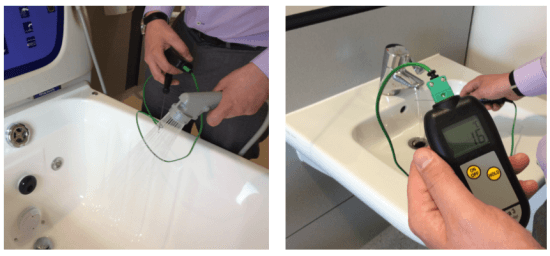
Water Temperature Control
This is the main process used to control the risk from legionella. Water services should operate at temperatures which prevent the growth of legionella bacteria.
Water Sampling
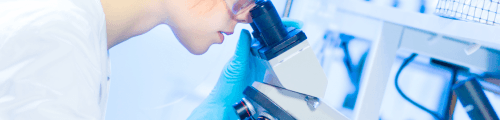
Water samples should be analysed for Legionella periodically to demonstrate that bacteria counts are acceptable. The frequency should be determined by level of risk, in accordance with the risk assessment.
Cleartech; Your Legionella Compliance Specialist
Cleartech ensures clients are fully aware of and in total compliance with all the current Legislation, Codes of Practice & Guidance.
Cleartech is a member of the Legionella Control Association (LCA), and has a highly trained and competent team of City & Guilds qualified L8 Risk Assessors, water treatment engineers and technicians, we deliver L8 Compliance services to meet clients’ needs, on a national basis. This can include full L8 Water Compliance monitoring or just the areas not covered by your own personnel.
For further information on Legionella compliance in care homes, or for a quote for your property, call today on 01698 682000, send an email to [email protected] or submit a contact form on our website.

